
Xinjing Stainless Steel Co., Ltd. explores cutting-edge advancements in self-locking stainless steel cable ties. These innovations are transforming the design, functionality, and application of these essential fasteners. Next-generation Stainless Steel Cable Ties offer unparalleled security and versatility. They represent a significant leap forward in fastening technology.
Key Takeaways
- New self-locking stainless steel cable ties are much stronger and last longer. They use better materials and smart designs.
- These advanced cable ties help many industries. They are good for solar panels, airplanes, and smart city projects.
- Future cable ties will be even smarter. They will use recycled materials and have features like tracking chips.
The Foundation of Self-Locking Stainless Steel Cable Ties
Core Functionality and Traditional Applications
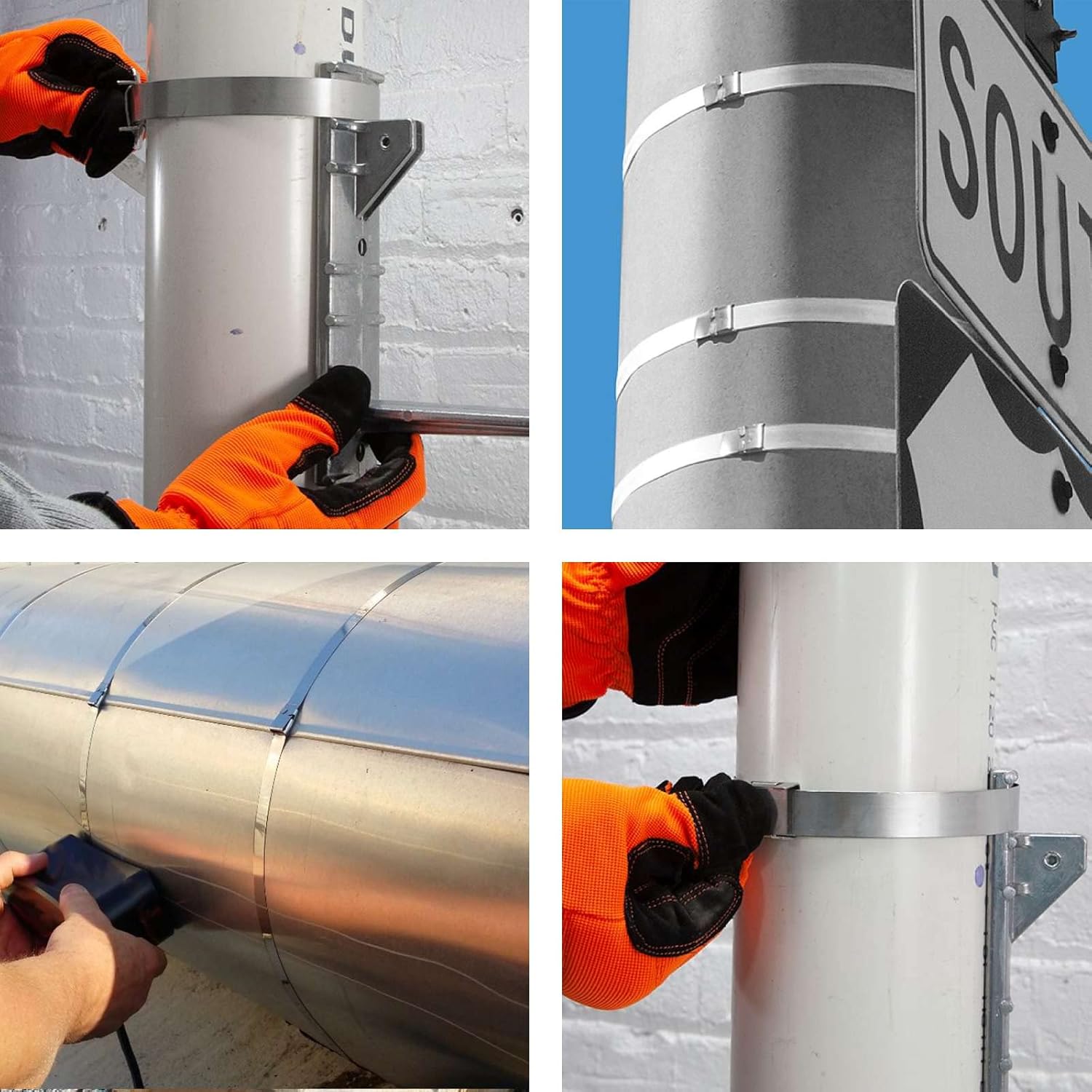
Self-locking stainless steel cable ties provide robust and secure fastening solutions. They are essential in many industrial settings. These ties are primarily made from high-quality stainless steel, often grades 304 or 316. Manufacturers may also include a coating for additional protection. This coating guards against environmental factors like UV rays, chemicals, or extreme temperatures. Their design ensures a strong, permanent bond. Traditional applications include bundling cables in harsh environments, securing pipes, and fastening components in construction and automotive industries. Their durability makes them a preferred choice where reliability is paramount.
Limitations of Conventional Self-Locking Stainless Steel Cable Ties
Despite their strengths, conventional self-locking stainless steel cable ties face certain limitations. Cost constraints are a significant factor; these ties are considerably more expensive than standard plastic alternatives. This makes them less economical for short-term uses or frequent replacements. Their heavier weight can also be a disadvantage in applications requiring weight reduction, such as UAVs or lightweight aerospace equipment. Furthermore, their electrical conductivity poses risks of shorts or electromagnetic interference if they contact live cables. The rigid nature of stainless steel ties makes them unsuitable for applications needing frequent adjustments or use in tight spaces. Aesthetically, their industrial look may not fit environments like interior design. Installation often requires specialized tools, and the sharp edges after cutting present safety hazards for workers.
Innovations in Manufacturing Self-Locking Stainless Steel Cable Ties
Xinjing Stainless Steel Co., Ltd. drives significant advancements in the manufacturing of these crucial fasteners. These innovations enhance performance, streamline production, and introduce intelligent capabilities. They ensure next-gen cable ties meet the rigorous demands of modern industries.
Advanced Material Science for Enhanced Performance
Material science plays a pivotal role in elevating the capabilities of modern cable ties. New material advancements significantly improve the tensile strength and corrosion resistance of self-locking stainless steel cable ties. Both 304 and 316-grade stainless steel offer exceptional durability. They resist mechanical stress, maintaining structural integrity under heavy loads.
A new material developed by Strong Tensile offers unprecedented levels of strength and durability. This breakthrough material provides superior tensile strength and resistance to wear and tear. It is also lightweight and highly resistant to corrosion and other forms of degradation. This combination of strength and durability makes it ideal for applications where reliability and longevity are critical. It significantly improves the performance of these essential fasteners.
Consider the impressive tensile strengths achieved with these advanced materials:
| Cable Tie Type | Width | Tensile Strength |
|---|---|---|
| Miniature Metal Zip Ties | 4.6MM | 140 lbs |
| Standard Metal Zip Ties | 7.9MM | 180 lbs |
| Heavy Duty Metal Zip Ties | 12MM | 270 lbs |
The corrosion resistance of stainless steel cable ties depends on the material’s nickel content. 316-grade offers excellent resistance, followed by 304-grade. PVC epoxy coating can further enhance corrosion resistance. It isolates the metal zip tie from air, water, and chemicals. Manufacturers typically use this coating with 201 materials. 316-grade stainless steel, enriched with molybdenum, provides enhanced strength and resilience compared to 304-grade. This molybdenum addition also plays a crucial role in mitigating pitting corrosion. It protects against environmental damage through a passive chromium oxide film, especially in corrosive mediums containing halogen anions like chloride and bromide.
Precision Engineering and Optimized Locking Mechanisms
Precision engineering transforms the design and functionality of locking mechanisms. Engineers now create intricate designs that offer superior grip and tamper resistance. They use advanced CAD/CAM software to model and simulate locking actions. This ensures optimal engagement and release forces. Micro-stamping and laser cutting techniques achieve extremely tight tolerances. This results in mechanisms that lock securely every time. These optimized designs prevent slippage and withstand extreme vibrations or impacts. They provide unmatched security for critical applications.
Smart Manufacturing and Automation in Production
Smart manufacturing and automation revolutionize the production floor. They bring unprecedented efficiency and quality to cable tie fabrication.
- Advanced robotics and AI-integrated quality control systems monitor production lines. They significantly reduce human error and waste.
- Predictive analytics, enabled by AI, help forecast demand and streamline supply chain management. This reduces inventory costs and ensures timely delivery.
- Manufacturers can adjust production rates in real-time to meet fluctuating customer demands with minimal disruption.
- Smart machines produce variable sizes and tension ratings of double locking cable ties without manual recalibration. This enables customization for niche applications.
- AI-powered insights improve R&D efforts. They analyze performance data and identify material innovations for enhanced strength and durability.
This integrated approach ensures consistent quality and rapid response to market needs.
Integrating Smart Features into Self-Locking Stainless Steel Cable Ties
The future of cable ties includes integrated smart features. Manufacturers embed tiny RFID tags or NFC chips directly into the ties. This allows for easy tracking and identification of bundled components. Sensors can monitor environmental conditions like temperature or humidity around the secured cables. This provides real-time data for maintenance and safety. These smart features transform a simple fastener into a data-gathering component. They enhance asset management, predictive maintenance, and overall system intelligence across various industries.
Expanding Applications for Next-Gen Self-Locking Stainless Steel Cable Ties
Next-gen self-locking stainless steel cable ties are transforming industries. They offer unmatched reliability and performance. Xinjing Stainless Steel Co., Ltd. sees these advanced fasteners meeting critical demands across diverse sectors.
Renewable Energy Sector Demands
The renewable energy sector requires robust solutions. Next-gen self-locking stainless steel cable ties are designed for demanding environments. These include solar panel and wind turbine installations. They offer superior resistance to corrosion, UV radiation, and extreme temperatures. This is crucial for outdoor energy infrastructure. The self-locking mechanism ensures a secure, permanent hold. It prevents loosening from vibrations or environmental stress. Their high tensile strength provides reliable bundling and fastening of cables, even under heavy loads. These ties are engineered for quick and easy installation. This reduces labor time and costs in large-scale projects.
Aerospace and Defense Requirements
Aerospace and defense applications demand extreme durability. These advanced ties withstand heat up to 1000°F. They are corrosion- and fire-resistant. They offer higher tensile strength and longer life. Tensile strength ratings range from 200 to 900 lbs. They resist high temperatures, corrosion, and radiation. They also withstand extreme temperature changes and radiation in space. These ties provide vibration and shock protection during launch and flight. Their compact design enhances space utilization. They ensure long-term durability and stability in harsh environments.
Smart Infrastructure and IoT Integration
Smart infrastructure projects rely on secure connections. Roller ball style cable ties are a popular choice. Over 970 million units sold in 2024. Approximately 480 million units were used in outdoor power installations. Europe consumed 38% of the total due to strict quality standards. Self-locking roller ball mechanisms are preferred for high-stress applications. These ties are widely used in power grids, telecommunications, and marine industries. They offer high tensile strength and vibration resistance. The rollout of 5G towers and telecom networks created opportunities. Over 2.4 million new 5G base stations required approximately 47 million stainless steel cable ties. These secured power, signal, and fiber optic cables. Over 3,200 smart city projects in Europe integrated cable tie-secured IoT wiring into public transport and street lighting systems.
Medical and Pharmaceutical Industry Needs
The medical and pharmaceutical industries demand sterile and precise fastening. Next-gen cable ties offer smooth surfaces and corrosion resistance. This prevents contamination. Their secure locking mechanisms ensure critical equipment remains safely bundled. They provide reliable performance in sensitive environments.
The Future Landscape for Self-Locking Stainless Steel Cable Ties
Xinjing Stainless Steel Co., Ltd. actively shapes the future of fastening technology. They address challenges and drive innovation. The industry moves towards more intelligent, sustainable, and high-performing solutions.
Overcoming Adoption Challenges
The industry works to make advanced cable ties more accessible. Manufacturers streamline production processes. They aim to reduce costs without compromising quality. New designs simplify installation, making specialized tools less necessary. This expands their use across more industries. Standardization efforts also ensure compatibility and ease of integration. These steps help more businesses adopt these superior fastening solutions.
Sustainability and Lifecycle Considerations
Sustainability drives future development. Manufacturers focus on eco-friendly materials. They increase the use of recycled steel in new production. This can reach up to 30%. Advanced treatments and coatings extend the lifespan of connectors by up to 50%. This reduces the need for frequent replacements. Longer-lasting products mean less waste. This commitment to sustainability benefits both the environment and operational budgets.
Future Research and Development in Cable Tie Technology
Research and development push the boundaries of cable tie technology. Advancements in materials science lead to new alloys and coatings. These offer enhanced corrosion resistance and tensile strength. Innovative composite materials provide greater durability. Smart materials allow connectors to adapt to stress and temperature changes. IoT capabilities integrate for real-time monitoring. This enables predictive maintenance. It tracks load stress, environmental conditions, and wear. This reduces downtime and improves performance. Future developments also include advanced safety mechanisms. Automatic locking systems and shock-absorbing designs improve structural integrity. They prevent accidents in high-pressure environments.
Continuous innovation propels the evolution of self-locking stainless steel cable ties. These advancements transform simple fasteners into sophisticated components for advanced applications. They deliver enhanced performance and broader utility. This ensures a more secure and reliable future across diverse industries.
FAQ
What makes next-gen self-locking stainless steel cable ties superior?
Next-gen ties offer enhanced tensile strength, superior corrosion resistance, and integrated smart features. They provide unmatched security and durability for critical applications.
Which industries benefit most from these advanced cable ties?
Industries like renewable energy, aerospace, defense, smart infrastructure, and medical sectors significantly benefit. These ties meet their rigorous demands for reliability and performance.
How do these cable ties contribute to sustainability?
Manufacturers use recycled steel and advanced coatings to extend product lifespan. This reduces waste and the need for frequent replacements, supporting eco-friendly practices.
Post time: Jan-14-2026


