
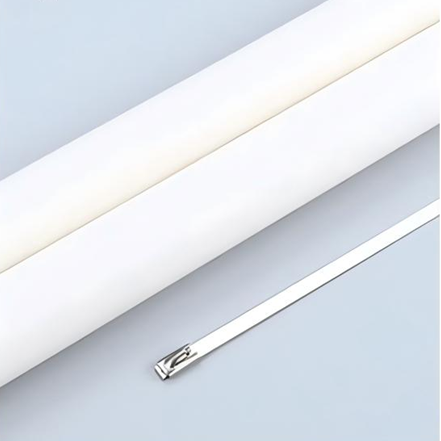
Surface treatment significantly enhances the durability, corrosion resistance, and overall performance of self-locking stainless steel cable ties. This process moves them beyond inherent strengths. They can now meet more demanding applications. Surface treatment is a key factor. It extends the lifespan and utility of these essential components.
Key Takeaways
- Surface treatments make stainless steel cable ties much stronger. They help the ties last longer in tough places.
- Treatments like passivation and electropolishing stop rust. They also make the ties smoother and cleaner.
- Special coatings protect ties from sun, chemicals, and wear. This helps them work well in many different jobs.
Understanding the Inherent Strengths and Limitations of Self-Locking Stainless Steel Cable Ties
Natural Durability: Why Stainless Steel is Chosen for Cable Ties
Stainless steel is a preferred material for cable ties due to its exceptional inherent strength and durability. Manufacturers choose it for its robust performance in various demanding environments. The material’s composition provides excellent resistance to atmospheric conditions, chemicals, and industrial exposures.
| Property / Grade | 304 Stainless Steel | 316 Stainless Steel |
|---|---|---|
| Composition | 18% chromium, 8% nickel | 18% chromium, 8% nickel, 2% molybdenum |
| Corrosion Resistance | Excellent against atmospheric, chemical, and food industry exposures | Enhanced, particularly against chlorides (sea salt, pool chemicals) |
| Durability | High durability | Superior durability |
| Forming | Ease of forming | Good formability |
| Typical Applications | General indoor/outdoor, automotive, construction, industrial | Marine, chemical processing, coastal areas, harsh environments |
| Suitability for Cable Ties | Suitable for most applications, durable for bundling and securing | Offers superior corrosion resistance for harsher environments |
Stainless steel cable ties, specifically those made from 304 and 316 grades, offer inherent strength and durability. They also demonstrate resistance to extreme temperatures, operating effectively within a range of –328°F to 1000°F (–200°C to 538°C). Furthermore, they provide superior corrosion resistance. The 316 grade is particularly effective against chlorides, making it ideal for harsh environments.
Where Standard Self-Locking Stainless Steel Cable Ties Fall Short
Even with their natural advantages, standard self-locking stainless steel cable ties face limitations in certain extreme conditions. Untreated stainless steel, for instance, can experience pitting corrosion or crevice corrosion when exposed to highly aggressive chemicals or prolonged immersion in saltwater. While generally robust, it may not offer optimal resistance against severe abrasion in high-friction applications. Additionally, specific industrial solvents or prolonged UV exposure in certain grades can gradually affect the material’s surface integrity over extended periods. These scenarios highlight the need for further enhancement to maximize performance and lifespan.
How Surface Treatment Elevates Durability of Self-Locking Stainless Steel Cable Ties
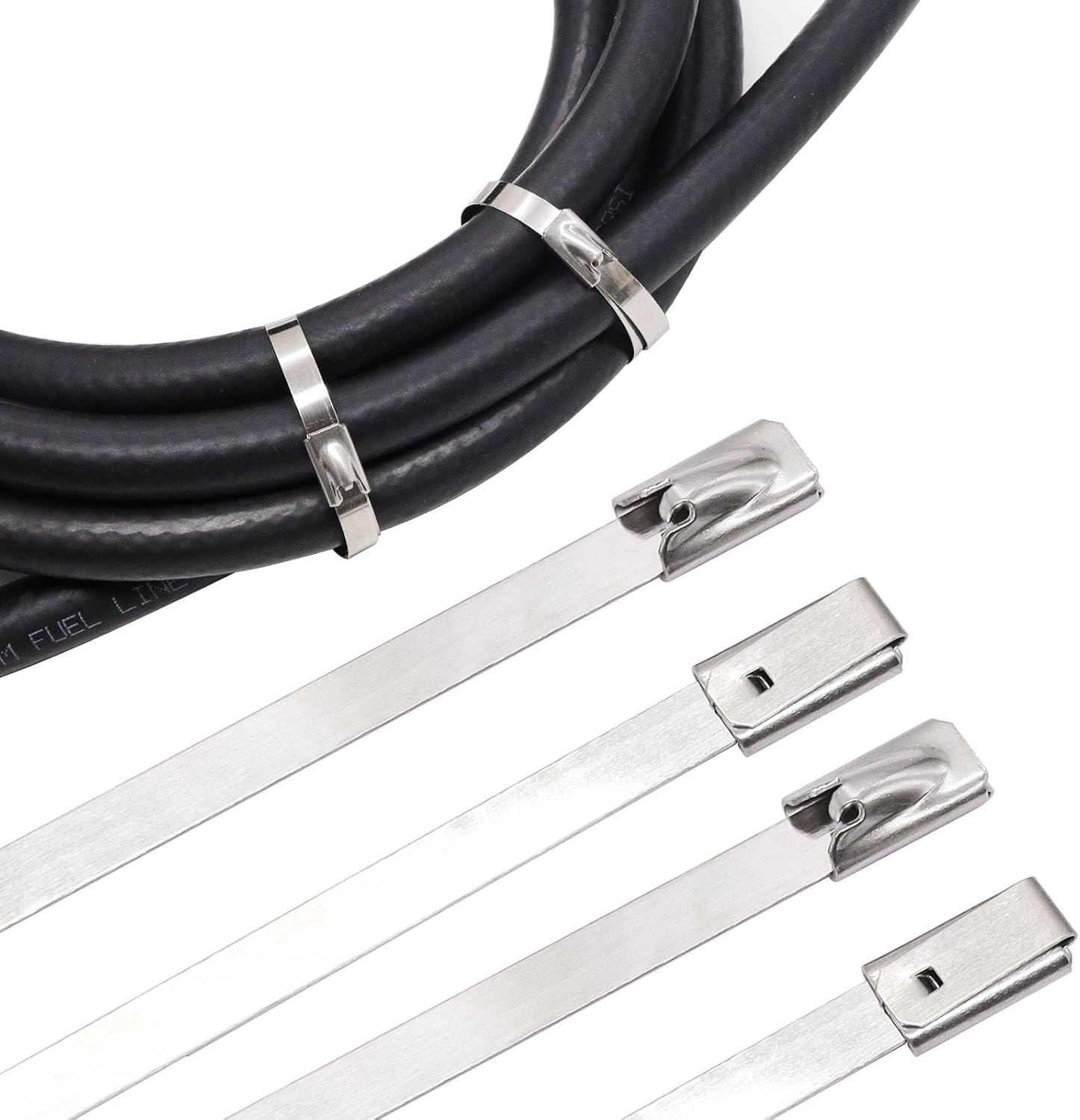
Surface treatments significantly boost the performance of stainless steel cable ties. These processes add layers of protection. They enhance the material’s inherent strengths. This allows the ties to withstand even harsher conditions.
Enhanced Corrosion Resistance for Self-Locking Stainless Steel Cable Ties
Surface treatments dramatically improve the corrosion resistance of stainless steel cable ties. Standard stainless steel offers good resistance, but specific treatments provide superior protection. For instance, 316 Stainless Steel includes a 2% molybdenum addition. This enhances its resistance, especially against chlorides like sea salt and pool chemicals. This makes 316 stainless steel a top choice for marine environments and chemical processing equipment.
Stainless steel ties, particularly 316-grade, effectively withstand corrosive marine air. They also meet various shipbuilding and offshore platform standards. This is due to their exceptional corrosion resistance. Without treatment, stainless steel can suffer from pitting corrosion. This common local corrosion affects stainless steel cable ties. Pitting corrosion occurs in specific corrosive mediums. Solutions containing halogen anions, such as chloride and bromide, are highly corrosive. These active anions destroy the passive film on the stainless steel surface. This leads to an active-passive corrosion cell. The anode metal then rapidly corrodes into small holes. Surface treatments create a more robust passive layer or add protective coatings. These prevent such localized attacks.
Increased Abrasion and Wear Resistance for Self-Locking Stainless Steel Cable Ties
Surface treatments also significantly increase the abrasion and wear resistance of self-locking stainless steel cable ties. In applications involving movement, vibration, or contact with other abrasive materials, untreated stainless steel can show signs of wear. Treatments like hardening processes or specialized coatings create a tougher outer layer. This layer resists scratching, scuffing, and material loss. For example, certain heat treatments alter the microstructure of the steel. This makes the surface much harder. This enhanced hardness prevents premature failure from mechanical friction. It ensures the cable ties maintain their integrity and securing strength over time. This is crucial in industrial settings where equipment constantly moves or vibrates.
Improved UV and Chemical Resistance for Self-Locking Stainless Steel Cable Ties
Surface treatments provide superior UV and chemical resistance for self-locking stainless steel cable ties. Untreated stainless steel offers some resistance, but prolonged exposure to harsh elements can degrade its surface. Treated ties, however, perform reliably in extreme environments. Panduit Pan-Steel® Self-Locking 304 Stainless Steel Cable Ties, for example, demonstrate exceptional strength and durability. Their 304 stainless steel construction resists chemicals, salt spray, and high heat. This makes them ideal for petrochemical, marine, and utility-grade installations.
Metal cable ties offer enhanced resistance to chemicals and outdoor conditions. They are highly resistant to weather conditions, UV radiation, and moisture. This makes them suitable for outdoor installations. They also resist various chemicals, including acids, alkalis, solvents, and oils. This ensures reliable performance in challenging industrial environments. Stainless Steel (304 or 316) is inherently corrosion-resistant. It is recommended for outdoor or corrosive settings due to its UV resistance. Treated ties provide high mechanical strength combined with chemical durability and temperature resistance. Grades like 304, 316, or 316L stainless steel offer extra corrosion resistance when treated.
Specific Surface Treatments That Transform Self-Locking Stainless Steel Cable Ties
Surface treatments offer specialized enhancements for self-locking stainless steel cable ties. These processes go beyond the material’s inherent properties. They prepare the ties for the most challenging applications.
Passivation: Optimizing Inherent Corrosion Resistance of Cable Ties
Passivation significantly optimizes the inherent corrosion resistance of stainless steel cable ties. This process promotes the controlled growth of an oxide film, also known as a passive film. This film protects the base metal from corrosive attack. While a natural oxide film forms on clean stainless steel from atmospheric oxygen, contaminants like shop dirt or iron particles from machining can compromise its effectiveness. These foreign particles, if not removed, reduce the protective film’s ability to prevent corrosion. This can lead to rust despite the metal appearing shiny.
Passivation enhances corrosion resistance by removing free iron from the surface of stainless steel. The acid treatment, typically nitric or citric acid, specifically targets and removes these iron particles. Without passivation, free iron would react with oxygen, leading to rust. After iron removal, the critical element chromium remains to protect against oxidation. Exposure to oxygen then allows oxygen to bond with the surface, forming a protective oxide layer instead of causing oxidation. Passivation involves the formation of a unique, self-healing film on the surface of stainless steel when exposed to oxygen at ambient temperatures. This thin layer, typically only nanometers thick, effectively shields the stainless steel from corrosion and rust. If mechanical damage occurs to this layer, immediate exposure to oxygen causes it to reform. Passivation leads to the formation of a chromium oxide layer, the oxide film, on the stainless steel surface. This layer is responsible for its corrosion resistance.
Electropolishing: Achieving Superior Surface Smoothness for Cable Ties
Electropolishing achieves superior surface smoothness for stainless steel cable ties. This electrochemical process refines the surface by removing material. It improves the near-surface chemistry by eliminating embedded particles and inclusions. This enhances corrosion resistance, makes the material easier to clean, and provides a striking finish.
Electropolishing uses a temperature-controlled chemical bath with an electrical current. This removes a microscopic layer of surface contaminants, burrs, and imperfections. It can also remove heat tint and oxide scales. The process completely removes embedded contaminants by stripping the outer skin of the metal. The result is a bright, shiny, and corrosion-resistant part with a higher level of smoothness. This process prevents bacteria and other contaminants from adhering to smooth, sanitized surfaces. This is crucial for decontamination. Electropolishing reduces surface roughness by leveling out microscopic peaks and valleys, improving the surface finish. An electric current applied to an electrolytic solution causes a reaction that dissolves the surface layer. This results in a microscopically smooth, almost mirror-like surface. This process eliminates microscopic hiding spots where microbes or soils can accumulate, making sterilization easier. Electropolishing also strips sharps and burrs caused by manufacturing processes, enhancing safety.
Polymer Coatings: Adding Layers of Protection to Cable Ties
Polymer coatings add crucial layers of protection to stainless steel cable ties. These coatings provide additional barriers against environmental stressors. Common types include:
- Epoxy Resin: This thermosetting polymer offers robust protection.
- PVC (Polyvinyl Chloride): This thermoplastic polymer provides flexibility and resistance.
- Black Polyester: This coating specifically protects against UV exposure, chemicals, and moisture. It makes the ties suitable for outdoor and industrial use.
These coatings enhance the ties’ performance in various applications, from general industrial use to specialized outdoor installations.
Specialized Metallic Coatings: For Extreme Environments of Cable Ties
Specialized metallic coatings are essential for stainless steel cable ties operating in extreme environments. These coatings provide enhanced protection against severe conditions. Such environments necessitate these advanced treatments due to:
- Corrosion
- Chemical effects
- Weathering effects
These coatings are vital for harsh outdoor environments. They also perform well in moist and high-temperature environments with decay, fire, corrosion, and radio resistance. Industries like shipping, communication, and flight applications frequently utilize these specially coated ties.
Heat Treatment: Enhancing Mechanical Properties of Self-Locking Stainless Steel Cable Ties
Heat treatment significantly enhances the mechanical properties of self-locking stainless steel cable ties. This process involves controlled heating and cooling cycles. It alters the microstructure of the steel. This can increase hardness, tensile strength, and fatigue resistance. For instance, annealing can improve ductility and reduce internal stresses. Hardening processes, followed by tempering, can create a much tougher and more wear-resistant surface. These treatments ensure the cable ties maintain their structural integrity and locking strength under high stress or repeated strain.
Plastic-Spraying Technology: Improving Durability of Self-Locking Stainless Steel Cable Ties
Plastic-spraying technology improves the durability of self-locking stainless steel cable ties. This method applies a protective plastic layer to the metal surface. The plastic coating acts as a barrier against physical damage, chemical exposure, and environmental degradation. It can also provide electrical insulation and reduce friction. This technology extends the lifespan of the ties, especially in applications where they might experience frequent contact, abrasion, or exposure to corrosive substances. The coating ensures the ties remain functional and secure for longer periods.
Choosing the Right Treatment for Self-Locking Stainless Steel Cable Ties
Selecting the appropriate surface treatment for self-locking stainless steel cable ties requires careful consideration. Engineers must evaluate the specific conditions the ties will encounter. This ensures optimal performance and longevity.
Assessing Environmental Factors and Stressors for Cable Ties
Engineers must thoroughly assess the environmental factors and stressors for cable ties. These factors dictate the necessary level of protection. Cable ties in industrial applications often encounter extreme temperatures, sometimes reaching up to 1000°F. They also face corrosive environments, high heat, and salt spray. Other common stressors include oil, lubricants, vibration, and thermal cycling. High-pressure environments and various chemicals also pose significant challenges. Understanding these conditions helps determine the most effective surface treatment. This proactive approach prevents premature failure and ensures reliable operation.
Cost-Benefit Analysis of Treated vs. Untreated Self-Locking Stainless Steel Cable Ties
A comprehensive cost-benefit analysis is crucial when deciding between treated and untreated self-locking stainless steel cable ties. Untreated ties may offer a lower initial purchase price. However, their lifespan can be significantly shorter in demanding environments. This leads to frequent replacements, increased labor costs, and potential operational downtime. Treated ties, while requiring a higher upfront investment, provide superior durability and extended service life. They withstand harsh conditions more effectively, reducing maintenance needs and ensuring long-term reliability. The enhanced performance and reduced replacement frequency often result in substantial cost savings over the product’s lifecycle.
Surface treatment profoundly transforms the durability and functional lifespan of self-locking stainless steel cable ties. These specialized treatments enable the ties to perform reliably in environments where untreated versions would quickly fail. Ultimately, surface treatment has a transformative impact on the performance and longevity of these essential components.
FAQ
What is passivation and why is it important for cable ties?
Passivation removes free iron from the surface. This process forms a protective chromium oxide layer. It significantly enhances corrosion resistance.
How does electropolishing benefit stainless steel cable ties?
Electropolishing creates a microscopically smooth surface. It removes imperfections and burrs. This improves cleanliness, corrosion resistance, and overall aesthetics.
When should one consider polymer-coated stainless steel cable ties?
Consider polymer coatings for added protection against UV, chemicals, and moisture. They are ideal for outdoor or corrosive environments.

Post time: Dec-24-2025


