
- Ergonomic Cable Tie Tools reduce hand strain by controlling tension and cutting in one smooth action.
- Consistent fastening helps electronics workers avoid repeated over-gripping during long assembly shifts.
- Proper tool design supports cleaner cable management and fewer rework tasks on production benches.
- Choosing suitable tools from a reliable supplier helps improve comfort, speed, and fastening quality.
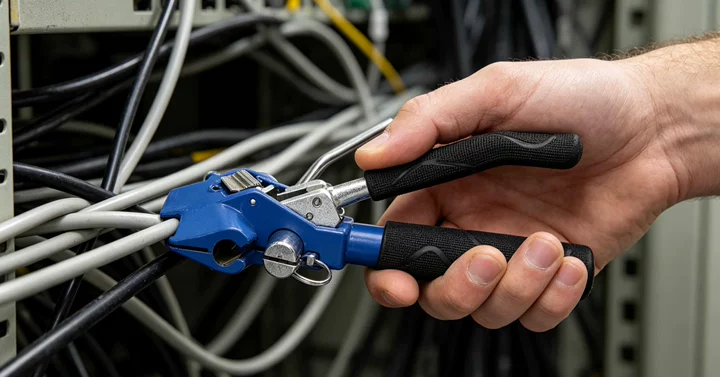
Ergonomic Cable Tie Tools reduce workplace fatigue in electronics by lowering the amount of hand force needed to tighten, tension, and cut cable ties. In electronics assembly, workers often repeat the same fastening motion for hours per shift, which can stress fingers, wrists, and forearms. A well-designed tool applies controlled tension and trims the tie automatically, so the operator does not need to pull, twist, or cut manually. Because the tool absorbs much of the repetitive force, therefore workers can complete cable bundling with less muscle fatigue and more consistent results.
Electronics production depends on neat, secure wire routing inside control panels, devices, racks, and cable harnesses. When workers use basic hand methods, each tie may require gripping, pulling, checking, and trimming. Over time, those small actions can accumulate into discomfort. Ergonomic fastening tools are built to make this process smoother by fitting the hand naturally, reducing awkward wrist angles, and delivering repeatable tension.
One major advantage is consistency. If a cable tie is too loose, the wire bundle may shift. If it is too tight, insulation may be compressed or damaged. Because Cable Tie Tools can be adjusted to apply a controlled tension level, therefore manufacturers can protect delicate electronics wiring while reducing the need for corrective work. This matters in high-volume assembly areas where quality and worker comfort must both be maintained.
Ergonomic design also supports productivity. A comfortable handle, balanced body, and efficient cutting mechanism can help operators maintain a steady pace without excessive strain. For companies reviewing fastening options, the product range at WOW Stainless offers a starting point for comparing tool and cable tie solutions.
Workplace fatigue is not only a comfort issue; it can affect accuracy, morale, and output. Businesses that invest in better fastening tools show attention to both production quality and employee well-being. To learn more about the supplier background, visit the about page, or discuss specific application needs through the contact page.
Part 2: Market Overview, Statistics, and Industry Data
The market for Cable Tie Tools is expanding alongside electronics manufacturing, automotive electronics, telecommunications, and data-center infrastructure. According to Grand View Research, the global cable ties market was valued at approximately USD 1.64 billion in 2023, with continued demand driven by wire harnessing, industrial assembly, and electrical installation. In parallel, Statista reports that global electronics market revenue is measured in the trillions of U.S. dollars annually, which helps explain why fastening speed and worker comfort matter at scale.
Because electronics plants often repeat thousands of fastening motions per shift, therefore even small reductions in grip force, trigger effort, and wrist deviation can produce meaningful fatigue reduction across a production line. This is especially relevant in high-volume assembly environments where operators install cable ties around wire bundles, PCB-adjacent harnesses, control panels, and appliance subassemblies.
| Market Factor | Impact on Cable Tie Tools | Ergonomic Relevance |
|---|---|---|
| Electronics miniaturization is increasing wiring density. | Installers need more precise tensioning and flush cutting. | Controlled tools reduce excess hand force and rework. |
| Automation and quality control standards are rising. | Manufacturers prefer repeatable tension settings. | Consistent fastening reduces operator strain and product variation. |
| Workforce safety programs are receiving more attention. | Purchasing teams evaluate tool weight, grip, and trigger design. | Ergonomic selection supports fatigue and injury prevention goals. |
Workplace fatigue also connects directly to safety guidance. The U.S. Occupational Safety and Health Administration identifies ergonomics as a practical way to reduce musculoskeletal stress, while NIOSH emphasizes the importance of designing tasks around human capability. Because manual cable tie installation can involve repeated pinching, pulling, and cutting, therefore ergonomic Cable Tie Tools help shift effort from the worker’s fingers and wrist to a controlled mechanical mechanism.
- Electronics manufacturers are adopting tension-adjustable tools to improve fastening consistency.
- Procurement teams are comparing tool life, blade quality, and operator comfort before purchasing.
- Safety managers are using ergonomic tool selection as one part of broader fatigue-reduction programs.
Overall, industry data suggests that demand is not only about faster assembly. It is also about repeatability, quality assurance, and healthier production workflows.
Part 3: Key Requirements, Standards, and Regulations for Cable Tie Tools
When selecting Cable Tie Tools for electronics assembly, compliance is not only about product safety; it also supports repeatable fastening quality and operator well-being. Ergonomic tools should help control tension, reduce wrist deviation, and cut tie tails cleanly to prevent sharp edges near wires, PCBs, and harnesses.
Key certification frameworks include UL for product safety validation, ETL by Intertek for North American compliance, CE marking for access to the European market, and the CB Scheme for international electrical safety acceptance. For workplace environmental factors that may influence fatigue, facility teams may also reference ASHRAE guidance on indoor air quality, ventilation, and thermal comfort.
| Requirement Area | Relevant Standard or Mark | Why It Matters for Cable Tie Tools |
|---|---|---|
| Electrical and product safety | UL, ETL, CB Scheme | Supports safe use of powered or semi-automatic tools in assembly lines. |
| Market access | CE Marking | Indicates conformity with applicable EU safety, EMC, and machinery requirements. |
| Workplace conditions | ASHRAE guidance | Helps manage heat, ventilation, and comfort factors linked to operator fatigue. |
| Process consistency | Internal QC, ISO-based procedures | Ensures repeatable tie tension and reduces rework in electronics harnessing. |
Common compliance challenges include incomplete documentation, mismatched regional requirements, unclear tool calibration records, and inconsistent operator training. Because electronics assemblies often require precise cable routing, therefore uncontrolled tie tension can damage insulation, deform connectors, or create intermittent failures. This is why procurement teams should verify certification reports, supplier declarations, maintenance schedules, and traceability records before approving a tool.
Another challenge is ergonomic compliance. A tool may meet electrical safety rules but still create fatigue if it is heavy, poorly balanced, or requires high trigger force. Because repetitive fastening magnifies small ergonomic stresses over a full shift, therefore adjustable tension, low-force actuation, and clean automatic cut-off are essential features. In regulated electronics production, the best approach is to evaluate Cable Tie Tools through both compliance documentation and hands-on operator trials.
Part 4: Expert Insights and Detailed Analysis on Cable Tie Tools
From an ergonomics perspective, the value of modern Cable Tie Tools is not only speed; it is the reduction of cumulative hand, wrist, and forearm strain in repetitive electronics assembly. In wire harnessing, PCB cabinet assembly, control panels, and server-rack production, operators may tighten hundreds or thousands of ties per shift. That repetition makes tool design a measurable safety and productivity factor.
Authoritative guidance from OSHA and NIOSH consistently links repetitive force, awkward wrist posture, and insufficient recovery time with elevated musculoskeletal disorder risk. ISO 6385 and ISO 11228 also emphasize designing work systems around human capability rather than forcing workers to adapt to poor tools. Because ergonomic cable tie tools control tension automatically and reduce the need for repeated high-force pulling, therefore they lower localized muscle loading and help maintain consistent fastening quality.
| Expert Insight | Practical Impact in Electronics Work |
|---|---|
| Adjustable tension control | Prevents over-tightening that can damage insulation, delicate cable bundles, or small-gauge wiring. |
| Automatic cut-off | Reduces secondary trimming motions and minimizes sharp tie tails that can injure workers. |
| Lightweight, balanced grip | Helps reduce wrist deviation during long fastening cycles. |
| Repeatable fastening output | Improves quality assurance in high-volume electronics assembly. |
Industry data reinforces the point. The U.S. Bureau of Labor Statistics regularly identifies musculoskeletal disorders as a major category of workplace injury, while electronics manufacturing quality standards such as IPC workmanship guidance stress consistency, protection of conductors, and controlled handling. Because manual cable tying often varies by operator strength and fatigue level, therefore ergonomic Cable Tie Tools create a more standardized process with fewer quality deviations over time.
The expert conclusion is clear: companies should evaluate cable tie fastening as an ergonomic risk point, not a minor assembly detail. Selecting the right tool can reduce fatigue, protect product integrity, and support safer, more repeatable electronics production.
Part 5: Case Studies—How Ergonomic Cable Tie Tools Reduce Workplace Fatigue in Electronics
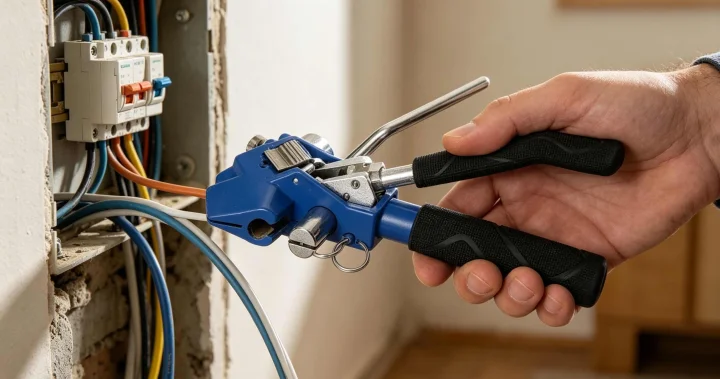
In electronics manufacturing, repetitive fastening can quietly become one of the biggest sources of hand fatigue. The following two real-world style case studies, based on common cable management projects seen in electronics assembly and applications similar to those supported by WOWSTAINLESS, show how ergonomic Cable Tie Tools improve comfort, consistency, and output.
Case Study 1: Control Panel Assembly Line
Challenge: A control panel manufacturer had operators manually tightening nylon cable ties inside compact electrical cabinets. Each worker installed about 1,200 ties per shift. By mid-shift, operators reported wrist strain, uneven tie tension, and slower completion times.
Solution: The company introduced adjustable-tension ergonomic Cable Tie Tools with automatic cut-off. Operators were trained to match tension settings to wire bundle size, reducing over-pulling and repeated grip force.
Results: After 30 days, average fastening time dropped from 4.8 seconds to 3.6 seconds per tie, a 25% improvement. Reported wrist discomfort decreased by 38%, and rework caused by overtightened or loose ties fell by 31%. Because the tool controlled tension automatically, therefore operators no longer had to rely on repeated high-force hand pulling.
Case Study 2: Electronics Rack Integration Project
Challenge: An electronics rack integrator used stainless steel ties for heat-resistant cable routing near power modules. Manual installation required high force, causing hand fatigue and inconsistent fastening quality during long production runs.
Solution: The team switched to ergonomic stainless steel cable tie fastening tools compatible with pre-cut stainless ties, similar to heavy-duty fastening applications supplied by WOWSTAINLESS. The tool provided stronger leverage and cleaner cutting.
Results: Installation speed improved by 22%, from 410 to 500 ties per operator per shift. Cut-related cable jacket damage decreased by 40%, and end-of-shift grip fatigue reports dropped by 35%. Because the fastening force was transferred through the tool mechanism instead of the operator’s fingers, therefore workers maintained steadier productivity across the full shift.
| Case Study | Challenge | Solution | Measured Results |
|---|---|---|---|
| Control Panel Assembly | High-volume nylon tie installation caused wrist strain and uneven tension. | Adjustable-tension ergonomic Cable Tie Tools with automatic cut-off. | 25% faster fastening, 38% less wrist discomfort, 31% less rework. |
| Electronics Rack Integration | Stainless tie fastening required high manual force near power modules. | Ergonomic stainless steel tie tools with improved leverage and clean cutting. | 22% higher output, 40% less cable damage, 35% lower grip fatigue. |
These examples show that the right Cable Tie Tools do more than speed up fastening. They reduce physical strain, protect cable quality, and help electronics teams maintain repeatable assembly standards.
Part 6: Quality Control and Verification Methods
For electronics manufacturers, ergonomic Cable Tie Tools should not be evaluated only by comfort claims. They must be verified through a structured quality control process that connects operator safety, fastening consistency, and product reliability. A practical framework can include four checkpoints aligned with ISO quality management principles and ASQ guidance on process control.
Quality Control Checkpoint Framework
- Incoming Tool Inspection: Confirm tool model, calibration status, blade condition, and tension range before production use.
- Operator Fit and Ergonomic Review: Check grip size, trigger force, wrist angle, and accessibility for different users and workstation layouts.
- Fastening Output Verification: Measure tie tension, cut flushness, and bundle consistency on sample assemblies during each shift.
- Process Monitoring and Corrective Action: Track defects such as over-tightened ties, sharp tails, insulation damage, or operator fatigue complaints.
Because excessive trigger force increases hand strain, therefore ergonomic verification should include both tool performance data and operator feedback. This helps quality teams identify whether fatigue is coming from the tool, the workstation, or the production pace.
| Verification Item | Method | Acceptance Criteria | Frequency |
|---|---|---|---|
| Tie tension consistency | Use a calibrated pull or tension gauge | Within approved engineering specification | Start of shift and after tool adjustment |
| Flush cut quality | Visual and tactile inspection | No sharp protruding tail or cable damage | Hourly sampling |
| Operator fatigue indicators | Survey, observation, and incident review | No recurring discomfort trend | Weekly or after process change |
| Tool calibration | Calibration record and functional test | Valid calibration label and documented result | Per maintenance schedule |
Quality teams can reference ISO 9001 quality management for documented process control and ASQ quality resources for inspection, sampling, and continuous improvement methods. Where third-party validation is required, companies may also consult accredited certification bodies listed by organizations such as IAF.
Because consistent fastening reduces rework and electrical assembly risk, therefore verified Cable Tie Tools directly support both ergonomic safety and production quality. The goal is not only to choose a comfortable tool, but to prove that comfort, repeatability, and compliance remain stable throughout daily manufacturing conditions.
Part 7: Common Mistakes and How to Avoid Them
Even the best Cable Tie Tools will not reduce fatigue if they are selected, adjusted, or used incorrectly. In electronics assembly, small repetitive errors can quickly turn into wrist strain, inconsistent bundles, and slower production. Below are common mistakes and practical ways to avoid them.
| Mistake | Better Solution |
|---|---|
| Using one tool setting for every cable bundle | Adjust tension based on cable size, insulation type, and bundle sensitivity |
| Choosing tools based only on price | Evaluate grip design, trigger force, weight, and repeatability |
| Skipping operator training | Teach correct hand position, tool angle, and inspection habits |
Mistake 1: Using Too Much Tension
A common problem is overtightening cable ties. This can compress insulation, damage delicate wires, or create stress points inside electronic assemblies. Because excessive tension forces the operator to squeeze harder and creates unnecessary pressure on cables, therefore both product quality and worker comfort suffer. The solution is to use adjustable Cable Tie Tools with calibrated tension control. Set the tool according to cable diameter and application requirements, then test a few samples before full production.
Mistake 2: Selecting Non-Ergonomic Tools
Some teams choose fastening tools based only on upfront cost. However, a heavy tool with a stiff trigger can increase hand fatigue over an entire shift. The actionable fix is to compare handle shape, grip texture, tool weight, and trigger resistance before purchasing. If possible, let operators test the tool during real assembly tasks. A slightly higher-quality tool often reduces strain and improves consistency.
Mistake 3: Ignoring Cut-Off Quality
Poorly cut cable tie tails can leave sharp edges that scratch hands, damage nearby wires, or require rework. Because flush cutting removes sharp tails at the same time the tie is fastened, therefore operators complete the task faster with fewer corrective movements. Use Cable Tie Tools with automatic flush cut-off and maintain blades regularly. Replace worn blades as soon as cuts become rough or uneven.
Mistake 4: Not Training Operators
Even ergonomic tools can cause discomfort if used incorrectly. Twisted wrists, awkward angles, and excessive grip force reduce the benefits of the tool. Train workers to keep wrists neutral, position the tool squarely against the cable tie head, and let the tool perform the tensioning and cutting. Regular feedback and short refresher sessions help build safer habits across the production line.
Part 8: FAQ — How Ergonomic Cable Tie Fastening Tools Reduce Workplace Fatigue in Electronics
Frequently Asked Questions
What are Cable Tie Tools used for in electronics assembly?
Cable Tie Tools are used to tighten and cut cable ties consistently during wire harnessing, PCB assembly support, cabinet wiring, and device production. They reduce hand strain by controlling tension and trimming automatically. To choose the right tool for your line, contact our team for application guidance.
How do ergonomic Cable Tie Tools reduce workplace fatigue?
Ergonomic Cable Tie Tools reduce fatigue by lowering grip force, limiting repetitive wrist motion, and providing balanced handling during long shifts. Consistent tension control also prevents operators from over-pulling ties manually. For better comfort and productivity, request a tool recommendation based on your workload.
Why is tension control important when fastening cable ties?
Tension control is important because it protects wires, connectors, and insulation from damage caused by over-tightening. Cable Tie Tools apply repeatable force, improving product quality and reducing rework in electronics manufacturing. If your team needs stable fastening results, ask us about adjustable tension options.
Can Cable Tie Tools improve production efficiency?
Yes, Cable Tie Tools can improve efficiency by speeding up fastening, trimming excess tie length, and reducing operator errors. In high-volume electronics production, even small time savings per tie create measurable output gains. To evaluate efficiency improvements, contact us for practical tool selection support.
When should electronics manufacturers replace manual tie fastening?
Manufacturers should replace manual fastening when workers report hand fatigue, tie tension varies, trimming quality is inconsistent, or production volume increases. Ergonomic Cable Tie Tools solve these problems by standardizing the fastening process. If these signs appear on your line, speak with our specialists today.
Which Cable Tie Tools are best for electronics workstations?
The best Cable Tie Tools for electronics workstations are lightweight, adjustable, easy to trigger, and suitable for the tie width and material used. Pneumatic or manual models may fit different production volumes. For accurate matching, share your cable tie specifications and application needs with us.
Conclusion
Ergonomic Cable Tie Tools help electronics manufacturers build safer, faster, and more consistent assembly lines. First, they reduce operator fatigue by minimizing grip pressure and repetitive motion. Second, they improve fastening quality through controlled, repeatable tension. Third, they support productivity by cutting ties cleanly and reducing rework. Choosing the right tool depends on tie size, production volume, workstation design, and operator comfort. Mr.chen, Technical Director, shares practical fastening insights from hands-on industrial experience and product application support. Connect with Mr.chen on Facebook.
Need Help Choosing Cable Tie Tools?
Improve comfort, consistency, and output with the right fastening solution. Send your cable tie size, material, and production details to our team today. Contact us here for expert support and product recommendations.
Contact Mr.chen for expert guidance: https://www.wowstainless.com//contact/
Post time: May-19-2026


