
How Stainless Steel Cable Ties Reduce Maintenance Costs
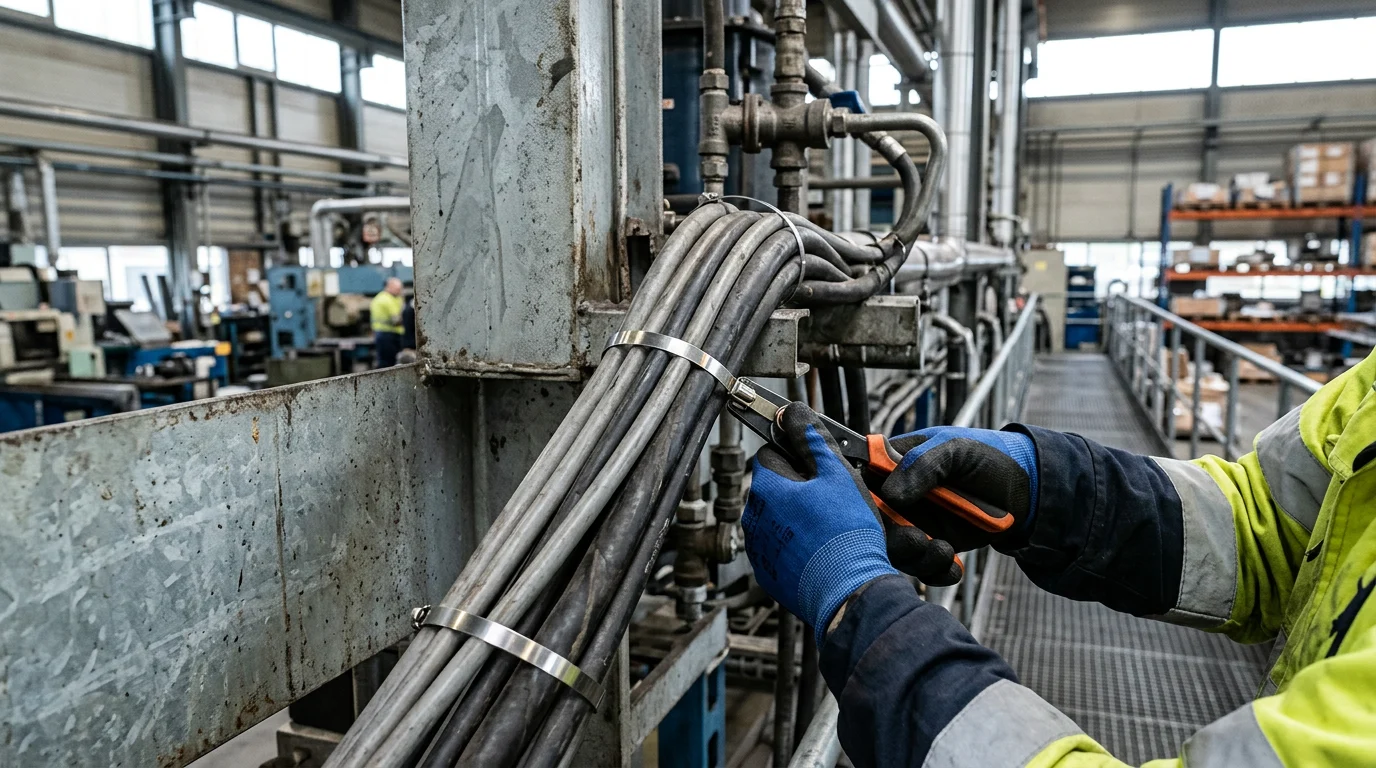
Why Stainless Steel Cable Ties Matter for Maintenance Cost Control
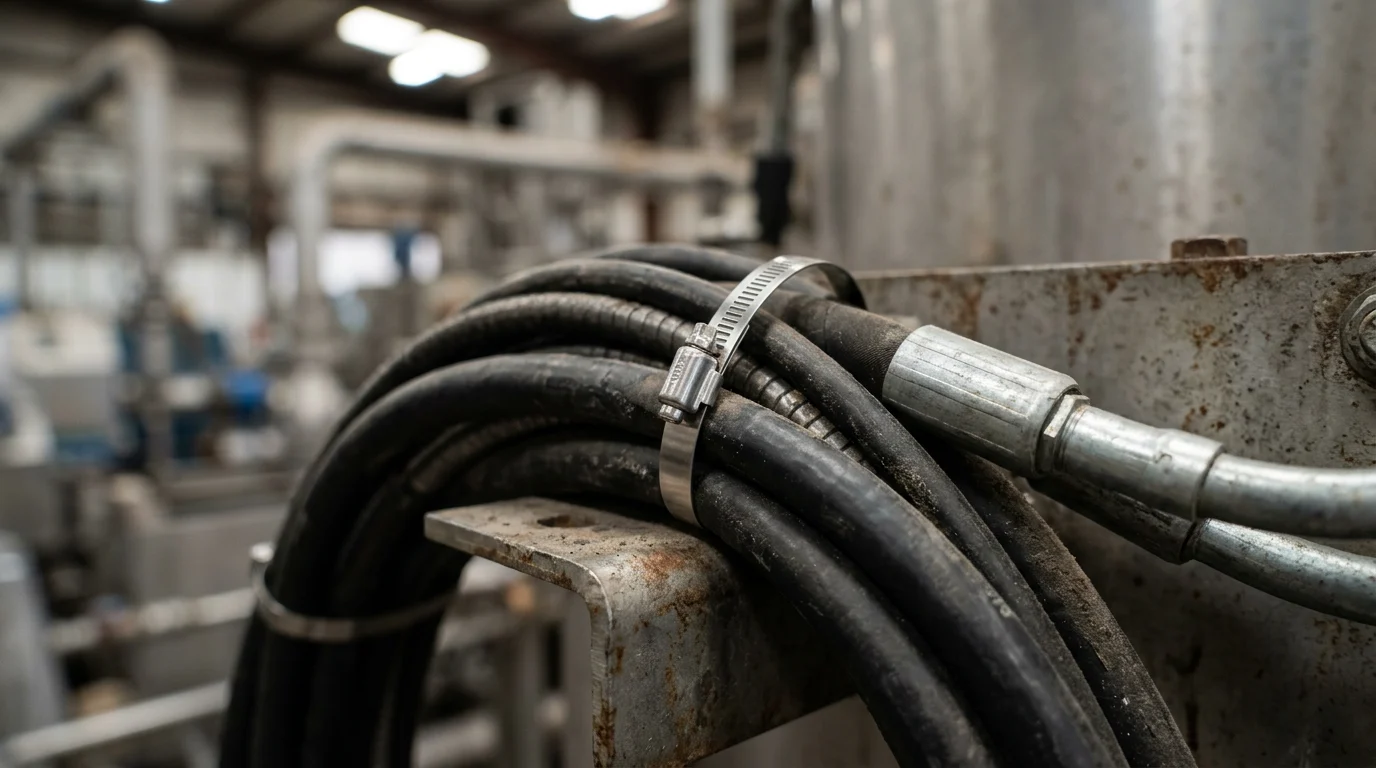
In my years dealing with B2B procurement, I’ve noticed one thing constantly eating into operational budgets: reactive maintenance. When cheap components fail, the labor costs to replace them vastly outweigh the price of the parts themselves. Sending a technician out to fix a snapped binding on an offshore rig or a solar farm is an expensive logistical headache.
That’s exactly why Stainless Steel Cable Ties are becoming the default choice for heavy industries. They aren’t just a premium fastening option; they are a strategic tool for controlling long-term maintenance overhead. By utilizing superior metallurgy, these fasteners withstand conditions that would destroy standard plastics in a matter of weeks.
By upgrading to these Low Maintenance Fasteners, facility managers, OEMs, and distributors can dramatically reduce the frequency of system failures. This ensures uninterrupted operations in harsh environments, ultimately protecting the bottom line and keeping end-users satisfied.
Business case and lifecycle savings
When you factor in the cost of a technician scaling a telecom tower or halting a production line just to replace a snapped nylon tie, the business case writes itself. A $0.50 metal tie saves hundreds in hourly labor and equipment downtime over a 10-to-20-year lifecycle, completely outperforming the strategy of replacing a $0.05 plastic tie annually.
Where industrial buyers see the biggest savings
I see the highest return on investment in offshore oil rigs, solar farms, and chemical processing plants. These sectors face extreme UV exposure, saltwater spray, and chemical washdowns that cause standard polymers to become brittle and break. Metal ties thrive in these exact conditions.
Procurement basics and core use cases
For wholesale buyers, stocking the right mix of these ties means targeting key industrial applications. The core use cases include securing heavy power cables to cable trays, bundling HVAC ducting, and managing high-temperature hoses in automotive or marine engine compartments.
Stainless Steel vs Nylon Cable Ties: Total Cost Comparison
Let’s get down to the numbers. It’s tempting to look at a purchase order and choose nylon because the upfront invoice is significantly lower. However, as an experienced buyer, I always calculate the Total Cost of Ownership (TCO) before making a sourcing decision.
Standard nylon ties generally offer a tensile strength around 50 to 120 lbs and degrade quickly under direct UV light or extreme temperatures. In contrast, Durable Steel Ties easily push past 200 to 350 lbs of tensile strength, providing a much higher safety margin for heavy-duty applications.
While the initial unit cost of stainless steel is undeniably higher, the 15-to-20-year operational life shifts the financial advantage heavily toward metal when deployed in industrial settings. You are paying for permanence rather than a temporary fix.
Service life and failure risk
Failure risk with nylon includes embrittlement in cold weather and melting in high heat (usually failing above 85°C). Stainless steel eliminates these risks, operating flawlessly from -80°C up to 538°C. This massive temperature window drastically cuts the failure rate in extreme climates.
Upfront cost vs lifecycle cost
If a facility spends $10,000 on nylon ties over five years—including the replacement labor and the cost of unplanned downtime—versus spending $2,000 upfront on metal ties that require zero maintenance, the lifecycle cost savings exceed 80%. The upfront premium pays for itself rapidly.
Best-fit harsh environment applications
You should always spec metal ties for petrochemical plants, marine shipyards, mining operations, and outdoor telecommunication lines. These environments demand materials that won’t degrade under continuous environmental stress, mechanical vibration, or chemical exposure.
Specifications That Affect Performance and Cost Savings
Not all metal ties are created equal. When I sit down with procurement teams, we spend a lot of time reviewing specifications to ensure they aren’t over-engineering or under-specifying their orders. Buying the wrong spec can either lead to premature field failure or wasted budget.
Choosing the exact right specification prevents these issues and avoids paying for unnecessary metallurgical properties, striking a delicate balance between steel grade, width, and coating for the end-user’s daily reality.
304 vs 316 and coated vs uncoated
Grade 304 is the industry workhorse, perfect for general outdoor use and standard industrial applications. But for marine or highly corrosive chemical environments, you must upgrade to 316 stainless, which contains molybdenum for superior pitting resistance. Epoxy or PVC coatings can be added to prevent galvanic corrosion when binding dissimilar metals and to protect delicate cable jackets.
Size, tensile strength, and temperature range
Width dictates strength. A standard 4.6mm wide tie holds about 200 lbs, while a heavy-duty 7.9mm tie can secure over 350 lbs. Understanding these limits is crucial for safe installations.
| Material/Grade | Max Operating Temp | Average Tensile Strength | Estimated Lifespan (Outdoor) |
|---|---|---|---|
| Standard Nylon 6/6 | 85°C (185°F) | 50 – 120 lbs | 1 – 2 Years |
| 304 Stainless Steel | 538°C (1000°F) | 200 – 350 lbs | 15+ Years |
| 316 Stainless Steel | 538°C (1000°F) | 200 – 350 lbs | 20+ Years |
Locking design and installation conditions
The ball-lock mechanism is the most popular globally because it allows for quick, tool-free insertion but prevents backward slipping via an internal steel bearing. For high-vibration areas like railway carriages, punch-lock or multi-lok designs offer a more rigid, permanent hold.
Specification-to-application matching
I always advise distributors to match the specification directly to the sector they serve. Sell uncoated 304 for indoor industrial wiring and standard construction, but heavily push coated 316 for offshore oil platforms and coastal solar installations.
Sourcing Questions for B2B Buyers
Sourcing these products requires looking well beyond the unit price. When I evaluate a new supplier, I’m digging deeply into their production capacity, quality consistency, and channel support to ensure they are a viable long-term partner. A reliable factory partner ensures that your supply chain remains uninterrupted. This is absolutely crucial when your end-users rely on you for critical maintenance turnarounds and cannot afford to wait on delayed shipments.
Supplier capability and order consistency
Can the factory maintain consistent steel hardness and edge-smoothing across a run of a million units? Sharp edges cut into cables and installers’ hands, so automated edge-rounding capabilities and strict stamping tolerances are non-negotiable supplier traits.
MOQ, samples, and lead times
Most reputable factories require a Minimum Order Quantity (MOQ) of around 10,000 to 50,000 pieces per SKU. Always request pre-production samples to verify the locking mechanism’s engagement and the steel’s flexibility before committing to a standard 30-day production lead time.
Packaging and private label requirements
If you’re a distributor, private labeling is key for brand retention and repeat business. Ensure the supplier can provide custom-printed polybags with your logos, barcodes, and part numbers directly from the factory floor.
Distributor margin and channel fit
Because Longevity Metal Ties command a premium price, distributor margins are typically much healthier—often ranging from 30% to 50%. You can maximize this margin provided you source directly from a competitive manufacturer rather than buying through a local master distributor.
Compliance and Quality Control for Risk Reduction
Selling into heavy industry means dealing with strict compliance and safety standards. If a tie fails on a solar panel array or a marine vessel, the liability and safety risks can be massive. That’s why I am a stickler for quality control. Documentation is just as important as the physical product when you are clearing customs, passing site inspections, or submitting bids to government and defense contractors.
Material certificates and test reports
Always demand a Mill Test Certificate (MTC) EN 10204 3.1. This vital document proves the exact chemical composition of the steel lot, ensuring you are actually getting true 316 grade and not a cheaper 200-series knockoff that will rust in the field.
Traceability and batch consistency
Your supplier should have a robust ERP system that traces every bag of ties back to the specific coil of raw steel used. This traceability is vital for isolating issues and issuing targeted recalls if a batch defect ever occurs.
Export and regulated market checkpoints
For the US and EU markets, ensure the products meet RoHS and REACH directives. This confirms they are free from restricted hazardous substances, which is particularly important if you are buying epoxy or PVC-coated variations.
Incoming inspection checklist
Upon receiving a shipment, my standard incoming checklist includes verifying the dimensions with digital calipers, conducting a pull-test to verify tensile strength claims, and checking the ball-lock mechanism for smooth, secure engagement.
Logistics, Inventory, and Packaging Efficiency
Moving heavy metal parts across the globe requires smart logistics. Stainless steel is incredibly dense, meaning freight costs can quickly eat into your profit margins if you aren’t careful with your packaging and shipping strategies. I always work closely with my freight forwarders and suppliers to optimize pallet loads. The goal is to max out the weight limits of a shipping container without wasting spatial cubic volume.
Packaging impact on landed cost
Standard wholesale packaging usually involves 100 pieces per heavy-duty polybag. To optimize landed costs, request dense, reinforced export cartons that stack perfectly on standard Euro or US pallets to maximize cubic volume in LCL or FCL shipments.
SKU planning and demand forecasting
Don’t over-complicate your initial inventory. I recommend starting with the top movers: 4.6mm x 200mm and 4.6mm x 360mm in both 304 and 316 grades. Expand your SKU count into specialized lengths or coatings only when you have guaranteed contract orders.
MOQ, cash flow, and reorder points
Balancing MOQs with your cash flow is an art. Set your reorder points at a 60-day stock level to account for ocean freight transit times, ensuring you don’t tie up too much capital in the warehouse while safely avoiding stockouts.
Shipment timing and stockout prevention
Factor in factory holidays (like Lunar New Year if sourcing from Asia) and potential port congestions. Sharing rolling 6-month forecasts with your supplier can help them secure raw materials in advance, keeping your lead times predictable.
Key Takeaways for Selecting the Right Product
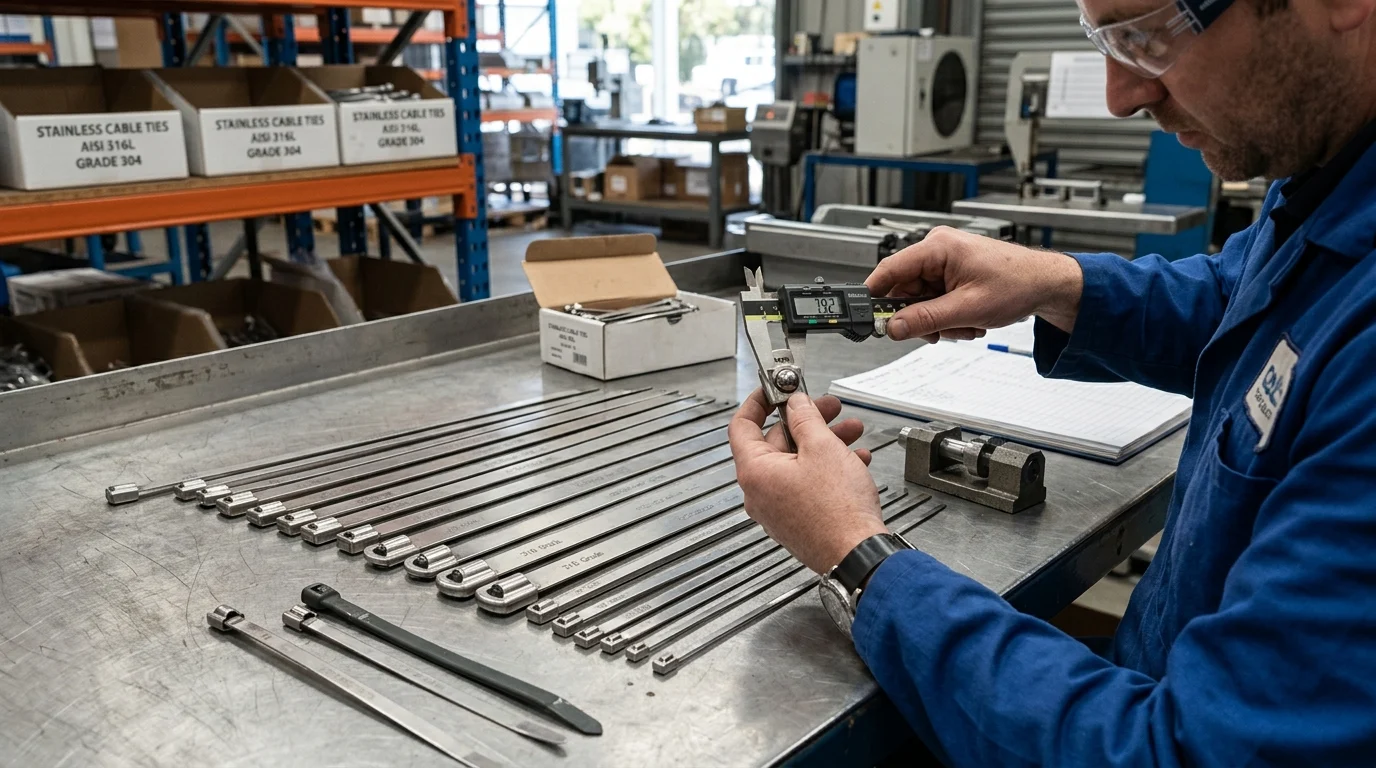
Wrapping up, shifting your procurement strategy toward high-quality metal fasteners is a proven way to reduce overall maintenance costs for your end-users while simultaneously boosting your own average order value. It’s a win-win for B2B channels. It requires a bit more technical knowledge to sell, but the retention rate for customers who switch to metal is incredibly high. They notice the drop in maintenance labor immediately and rarely go back to plastic for heavy-duty applications.
As a trusted manufacturer, our company prides itself on delivering premium Industrial Strapping and cable ties. We offer full material traceability, competitive MOQs, and automated production lines that guarantee smooth edges and flawless locking mechanisms every single time, ensuring you get the best value on the market.
Top buying criteria for lower maintenance cost
Focus heavily on tensile strength, corrosion resistance, and extreme temperature tolerance. These three factors directly correlate to how long the tie will survive in the field before needing costly replacement.
When premium ties justify the price
The premium price is easily justified whenever the cost of labor to replace a failed tie exceeds the cost of the tie itself, or where safety regulations strictly mandate fire-proof fastening solutions.
Supplier strengths that support long-term value
Partner with suppliers who offer strong post-sale support, rapid sample turnaround, and consistent raw material sourcing. A factory with strong internal quality control ensures your supply chain remains resilient and profitable year after year.
FAQ
To finish off, I want to address a few of the most common questions I get from procurement managers who are transitioning their inventory from standard plastics to advanced metals. These cover the basic financial and technical hurdles buyers face when building out their catalog and pitching these products to industrial end-users.
Impact on total cost of ownership
While metal ties cost more initially, they reduce TCO by eliminating recurring replacement labor, preventing costly unplanned downtime, and outlasting plastic alternatives by up to a decade in harsh environments.
Choosing 304 vs 316 for corrosive environments
Use 304 for general outdoor and wet environments. You must upgrade to 316 for coastal areas, marine applications, or environments exposed to harsh chlorides and industrial chemicals to prevent pitting corrosion.
Required MOQ, packaging, and documentation
Standard wholesale MOQs typically start at 10,000 pieces per size. Buyers should expect 100-piece polybags packed in master cartons, and should always request MTC 3.1 documentation to verify steel grades upon delivery.
Related reading: Low Maintenance Fasteners
Key Takeaways
- Wholesale sourcing and supply-chain implications for Stainless Steel Cable Ties
- Specifications, compliance, and commercial terms buyers should validate
- Actionable recommendations for distributors and procurement teams


